
作弊被report该如何补救?
作弊被report是部分留学生犯错之后需要面临的难题。美国作为世界教育强国,将学生教育摆在了非常重要的位置,因此美国大学极其看重学术诚信,对作弊行为抱着零容忍的态度。尽管学校一再强调学术诚信条例的重要性,但还是会有不少美国留学生抱着侥幸心理去挑战学术底线,结果受到了严重的处分。求真老师在这里跟同学们讲一讲作弊被report该如何补救。

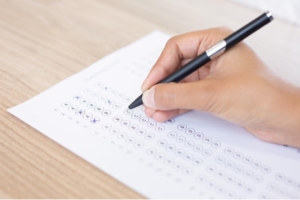
图源:Freepik
一、老师约谈
作弊被report之后,学术诚信委员会(Academic Integerity Committee)的老师会约学生进行一次面谈,学生务必抓紧这个机会,提前掌握好面谈技巧,诚恳认错,争取降低甚至撤销处分。如果处分较轻,老师决定只给出警告或者留校察看的处分,那学生一定要端正好态度,在接下来的学习中好好表现,千万不可以再有作弊的念头,否则第二次犯错的话后果更加严重。若是处分较重,老师决定给予停学甚至开除的处分,学生成功向学校申诉概率将会非常低。
二、申诉信
申诉信是学校给予学生一个自我证明的机会。学生可以通过申诉信向学校说明清楚事情的来龙去脉。一封高质量的申诉信对学校最终的处分决定有至关重要的影响,因此学生一定要认真对待,审慎撰写。
撰写申诉信时需要完整客观地阐述作弊被report事件的来龙去脉。如果是教授误判,学生可以摆出证明自己完全清白的材料,给误会作出一个合理的解释。如果学生确实没法反驳,需要在信中有技巧地表达自己的立场,具体详情可以咨询你身边的求真老师们。学校会根据申诉信的整体情况以及教授的反馈,重新考量最后的结果。要是学校认为申诉信的内容有值得商榷的地方,则后续会再召开听证会。
三、听证会
美国大学的听证会一般由学校的老师和学生代表组成。老师们在听取教授的反馈以及作弊学生本人的证词后,再根据双方提供的材料作出总结陈述,决定最后的处理结果。学生在听证会召开期间,不仅需要利用好自己掌握的申诉材料,更需要冷静面对来自学术诚信委员会(Academic Integerity Committee)成员的指控,这就要求学生有足够强的抗压能力和临场应变能力。因此学生必须做好充分的准备,才能在听证会现场上正确表述自己的观点,合理解释自己的行为。建议大家提前与求真教育的老师进行听证会模拟练习,争取打出一场漂亮的翻身仗。
求真寄语
在美国大学里作弊会导致非常严重的后果,应该引起每一位留学生的重视,切记不要以身犯险。学生若是作弊被report也不用慌张,及时咨询求真教育紧急应对中心的老师,求真会竭尽所能帮助学生扭转局面,转危为安。